

2026 STIA Honors Thesis Highlights
Each year, select STIA seniors undertake original research that reflects the program’s interdisciplinary approach to addressing complex global challenges. The 2026 STIA Honors Thesis cohort engaged deeply with issues spanning global health equity, international energy policy, and the societal implications of emerging technologies. Through fieldwork, data analysis, and qualitative research, these students produced work that not only advances academic understanding but also speaks to real world policy and practice. Let’s meet a few of them:
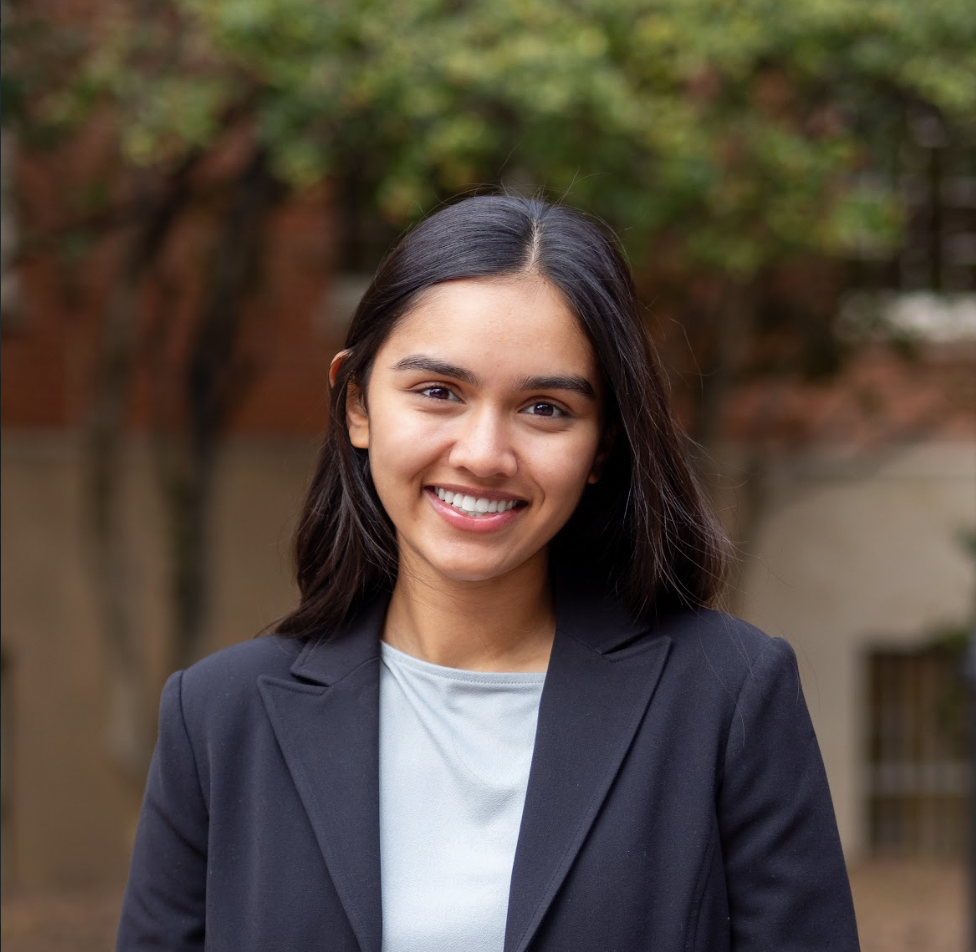
Amara Saleem (SFS’26)
Food, Family, and Baby Sugar: Maternal Experiences with Gestational Diabetes Among Low-Income Populations in Karachi, Pakistan
Amara Saleem’s thesis explores the lived experiences of women managing gestational diabetes mellitus in Pakistan, where the condition is both widespread and under addressed. She was particularly interested in how women navigate care within a healthcare system shaped by structural limitations and cultural expectations. As she explains, gestational diabetes in Pakistan is “highly prevalent, but it is understudied, undertreated, and underfunded,” with the greatest burdens falling on low income and marginalized women.
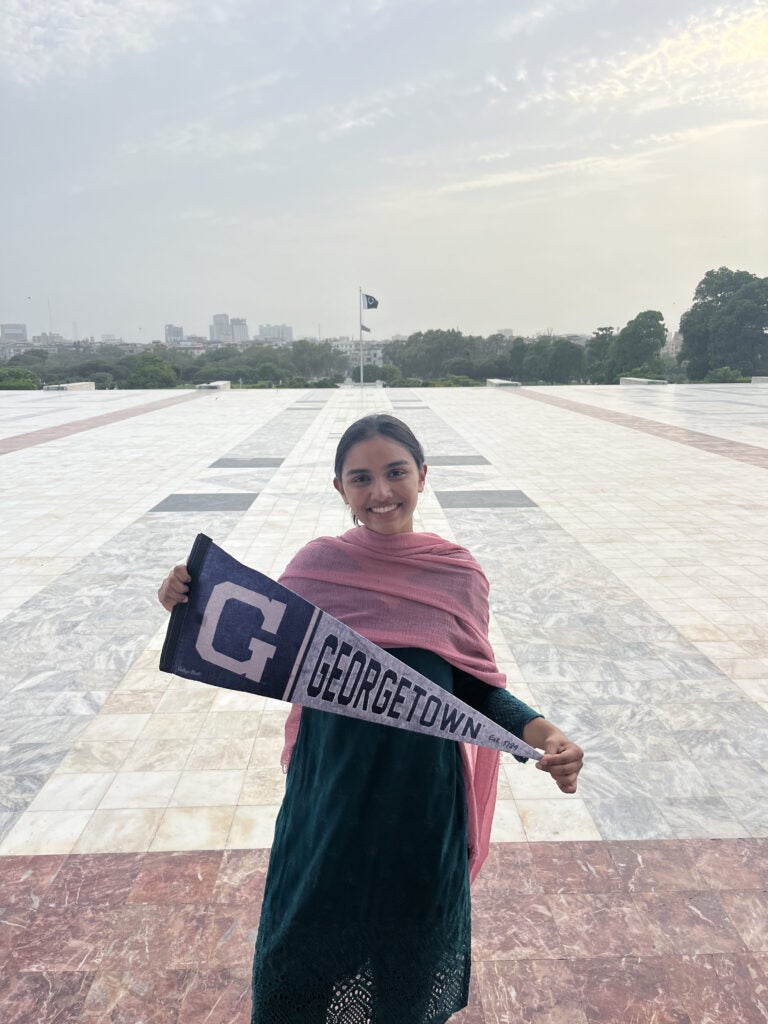
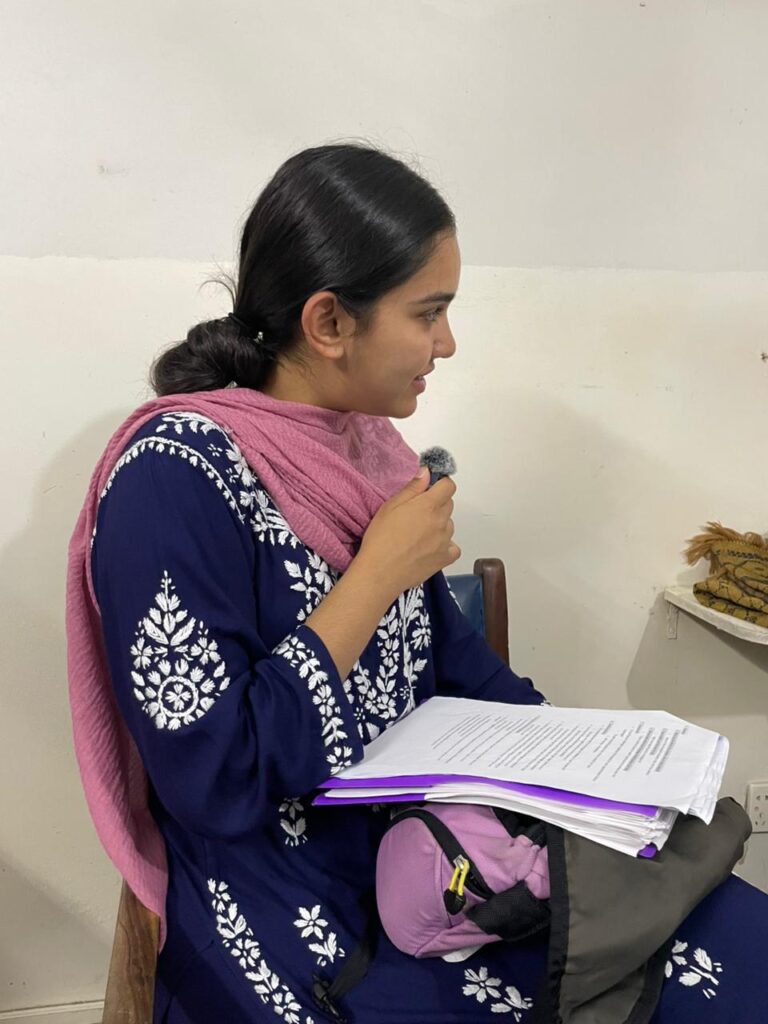
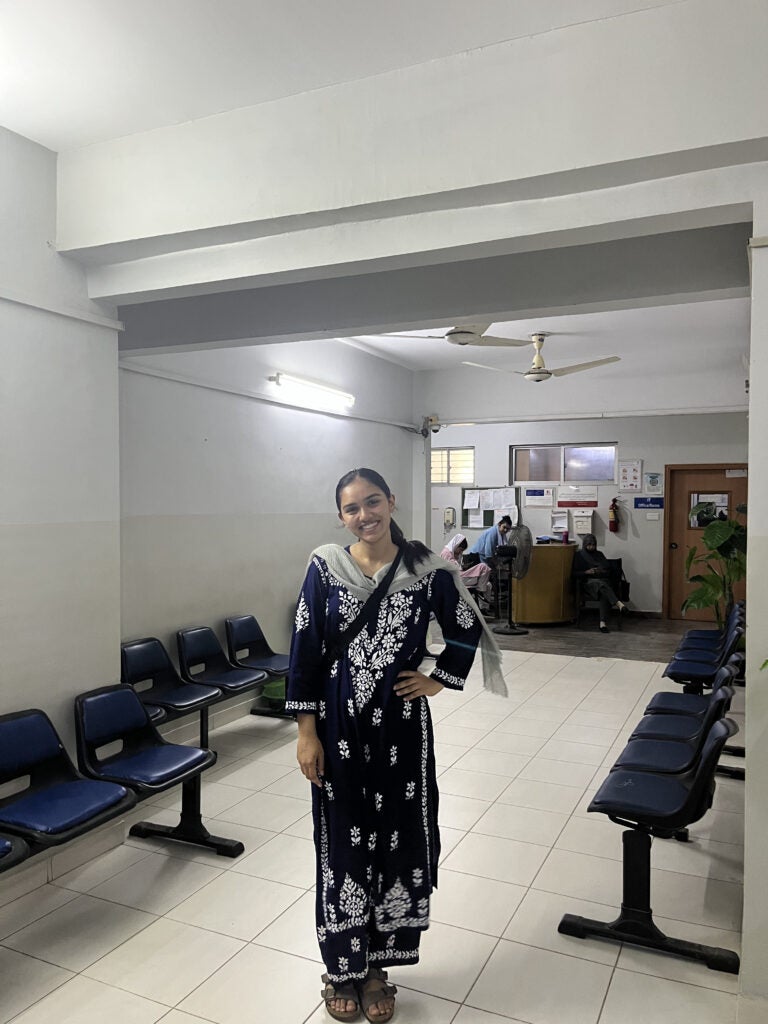
To investigate this, Amara conducted qualitative fieldwork in Karachi, Pakistan, supported by a grant from the Global Health Institute. Over four weeks, she worked at the Indus Hospital and Health Network, a nonprofit hospital that provides free care to patients regardless of ability to pay. She embedded herself in the hospital’s Diabetes in Pregnancy clinic, where she carried out semi structured interviews and participant observation while engaging directly with patients during their visits. Reflecting on this experience, she shared, “Working in Karachi and talking to patients directly was incredibly rewarding. It gave me the unique opportunity to be a companion alongside women as they received care.”
Her research reveals a critical disconnect between medical guidance and lived reality. While healthcare systems often emphasize self control and individual responsibility in managing gestational diabetes, many patients face structural barriers such as poverty, limited mobility, lack of family support, and restricted access to resources. Amara found that this tension can contribute to psychological distress, while also shaping how women understand their identities as mothers and patients.
The significance of her work lies in its ability to center patient voices and illuminate the broader social and structural factors that shape health outcomes. Amara hopes to provide a tangible report to the Indus Hospital and Health Network to improve patient support systems, while also contributing to broader public health conversations in Pakistan. By highlighting the lived realities of vulnerable populations, her research points toward opportunities to expand healthcare access, equity, and justice.
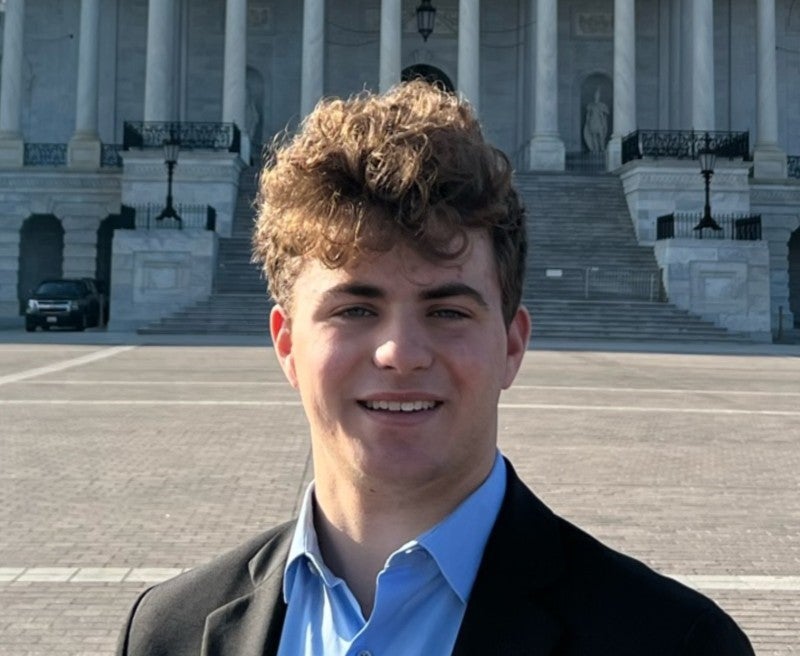
Connor Henry (SFS’26)
The Belt and Road Initiative in Southeast Asia: Interactions with Energy and Environmental Policy
Connor Henry’s thesis examines how China’s Belt and Road Initiative interacts with energy and environmental policymaking across Southeast Asia, with a focus on understanding the relationship between domestic policy decisions and foreign investment patterns. Motivated by his interest in global energy politics and China’s role in the clean energy transition, Connor set out to explore whether countries in the region have agency in shaping how Chinese investment is directed.
His research relies on quantitative data analysis, drawing from datasets provided by AidData and the International Energy Agency. Connor analyzed investment flows across multiple sectors, including renewable energy, oil and gas, coal, and critical minerals. This required extensive work in data cleaning, organization, and statistical analysis, as well as the development of new technical skills to interpret complex datasets and identify meaningful patterns.
Through this analysis, Connor found that domestic energy and environmental policies do influence the type and scale of Chinese investment. Policies that promote renewable energy tend to attract greater investment in that sector, while restrictive policies in areas such as mining and critical minerals can reduce investment flows. These findings challenge the common perception that Southeast Asian countries are passive recipients of great power influence. Instead, his work demonstrates that governments in the region actively shape their development trajectories and energy futures.
The broader significance of Connor’s research lies in its contribution to discussions about global energy governance and the clean energy transition. By highlighting the role of domestic policy in influencing international investment, his work encourages a more nuanced understanding of global cooperation and interdependence. He hopes his findings will inspire further research on how developing countries can assert agency in the face of large scale geopolitical and economic forces, and how collaborative approaches can lead to more sustainable energy outcomes.
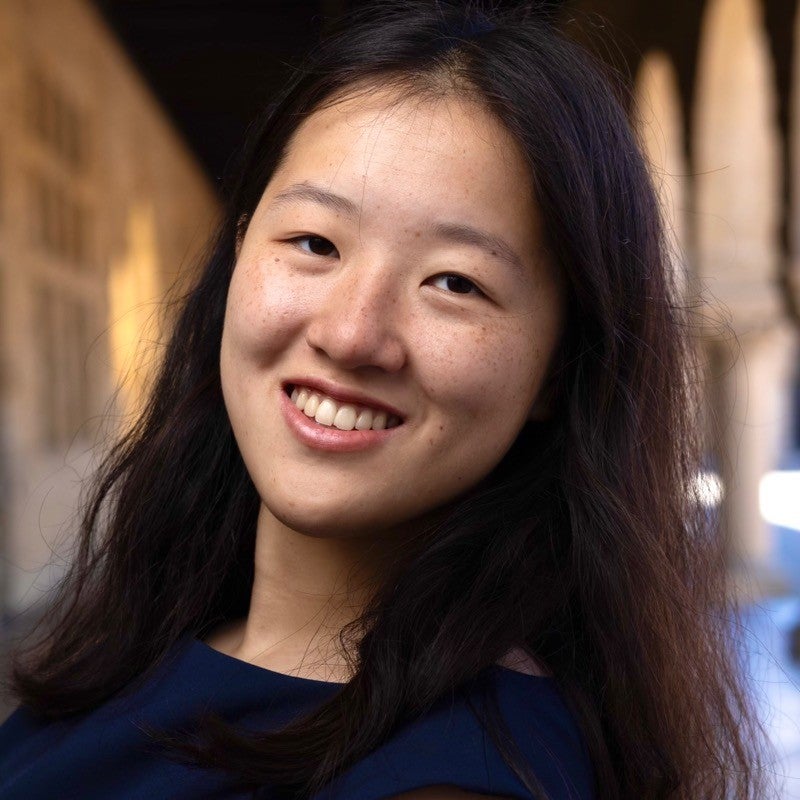
Sophia Lu (SFS’26)
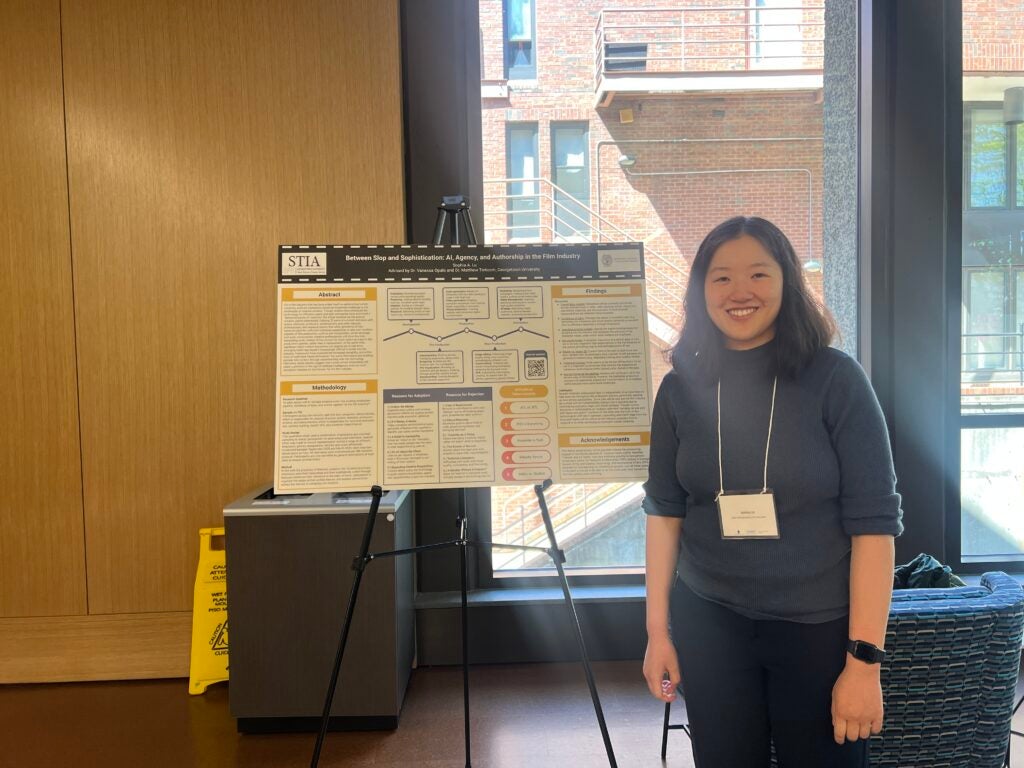
Between Slop and Sophistication: AI, Agency, and Authorship in the Film Industry
Sophia Lu’s thesis investigates how artificial intelligence is transforming creative work in the film industry, with a focus on how emerging technologies are reshaping labor, production processes, and artistic identity. Drawing on her interdisciplinary background in technology and the arts, Sophia explores a central question about the future of human creativity in an increasingly automated world.
Her research takes a qualitative and ethnographic approach. Sophia conducted semi structured interviews with approximately 70 professionals across the film industry, including actors, directors, producers, editors, and designers. These interviews, which often lasted several hours, provided detailed insight into how AI tools are being used across different stages of production, from early concept development to post production editing. She also developed a typology of AI applications across the production pipeline, allowing her to systematically analyze patterns in how the technology is adopted.
One of her key findings is that AI is most commonly used as a tool rather than a replacement for human creativity. It is frequently applied in early stage tasks such as storyboarding, script testing, and administrative work, where speed and efficiency are prioritized. As Sophia explains, “for the foreseeable future, it’s going to be used more as a tool rather than an outright replacement for creative workers.” At the same time, her research highlights the limits of AI in capturing the nuanced, relational, and deeply human aspects of storytelling.
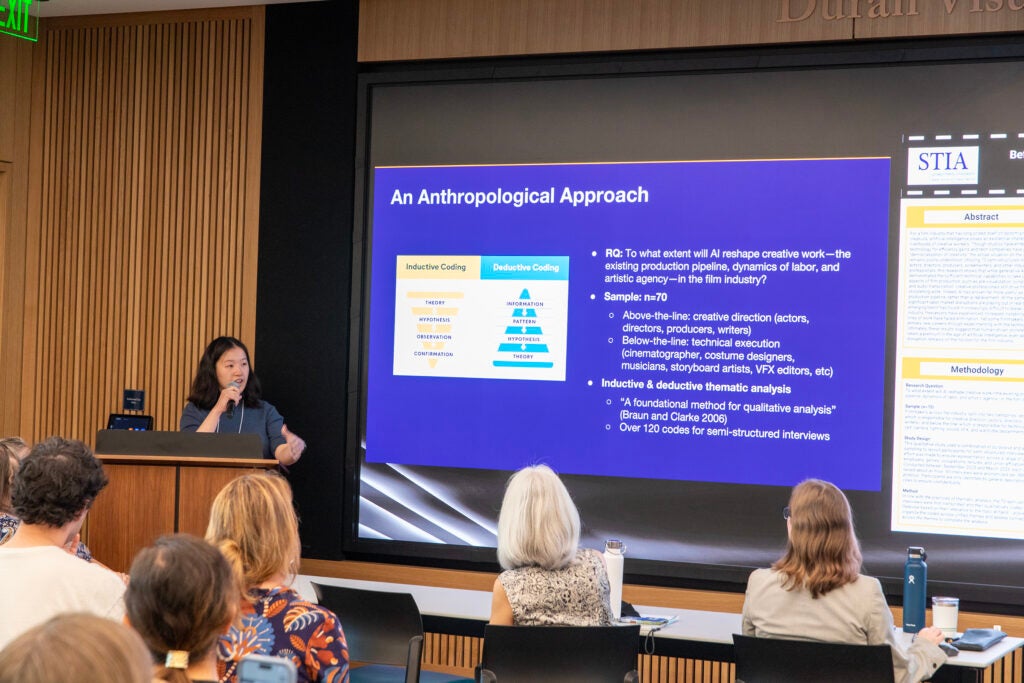
Sophia’s work also engages with broader ethical and policy questions. She identifies concerns related to intellectual property, compensation, and the role of unions in protecting creative labor. Her findings suggest that legal frameworks, industry norms, and social dynamics will play a critical role in shaping how AI is integrated into creative industries.
The importance of her research lies in its ability to connect technological change with human experience. By centering the perspectives of working professionals, Sophia provides a grounded and nuanced view of how AI is actually being used in practice. She hopes her work will contribute to the development of more human-centered technology policies and encourage ongoing dialogue about creativity, labor, and meaning in the digital age.
A Transformative Experience
Across a wide range of topics and methods, the 2026 STIA Honors Thesis cohort exemplifies the strengths of the STIA program. These students combined rigorous academic research with meaningful engagement in real world contexts, whether through fieldwork in clinical settings, large scale data analysis, or in depth interviews with industry professionals.
Their work demonstrates that addressing complex global challenges requires both technical expertise and an understanding of human experiences. As Amara Saleem reflects, “Enjoy the process! Writing an honors thesis is a long, grueling process… If you choose to enjoy those challenges rather than resist them, the thesis process can become incredibly rewarding and growth provoking.”